
Six books on editing, from Walter Murch’s essential one to Tarkovsky. Each with a line on why it’s worth your time.
Books that change how you look at a cut. Not button manuals: software changes every year, what these books are about doesn’t.
Where a Russian translation exists, the link goes to it — this site’s main audience reads Russian.
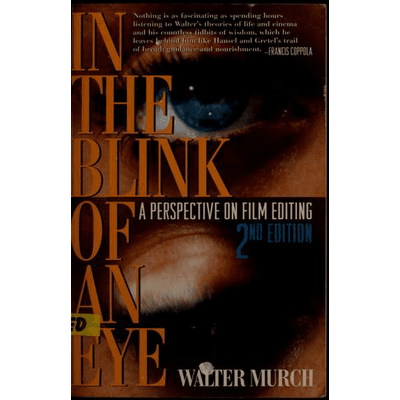
Short and essential. The editor of The English Patient explains why a cut is about emotion before continuity and ranks the six criteria of a good cut. The link goes to the Russian edition; the original is published by Silman-James.
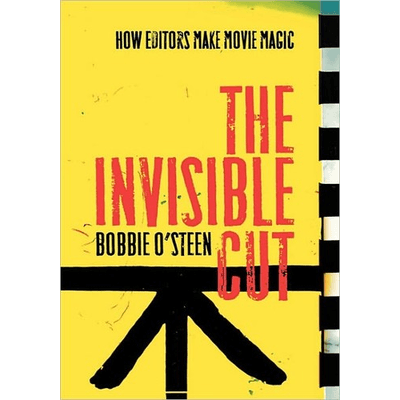
Scenes from well-known films broken down cut by cut: where they cut and why exactly there. The best book for learning to see the edit in other people’s films. The link goes to the Russian edition; the original is published by Michael Wiese.
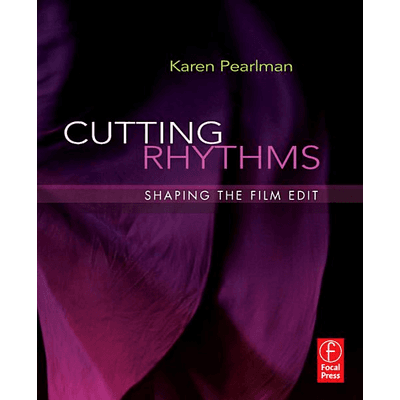
A whole book on the rhythm of cutting, with exercises: how rhythm is built from movement, events and emotion. On YouTube that is the pacing your retention depends on.
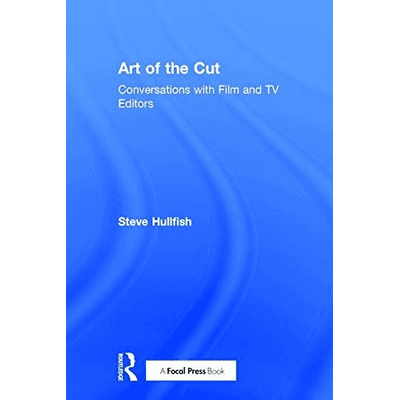
Interviews with editors of major films and series, arranged by topic: structure, rhythm, music, working with the director. Read it in pieces, from anywhere.
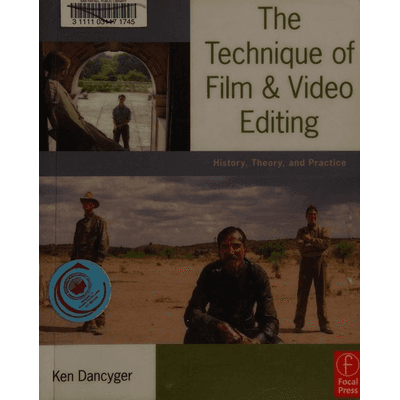
The history and theory of editing in one volume, from Griffith and Eisenstein to nonlinear editing. A reference for where the techniques everyone uses without thinking came from.
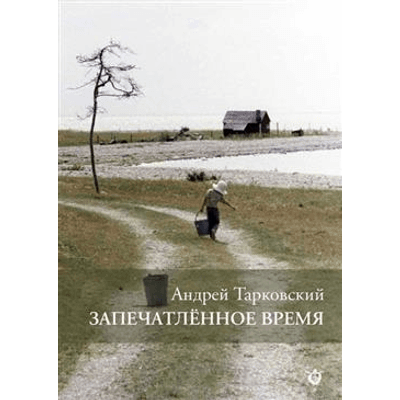
Not a textbook but reflections on cinema. Tarkovsky held that a film’s rhythm comes from time flowing inside the shot, not from the cut — worth reading if you are used to cutting on every word. The link goes to the Russian edition.